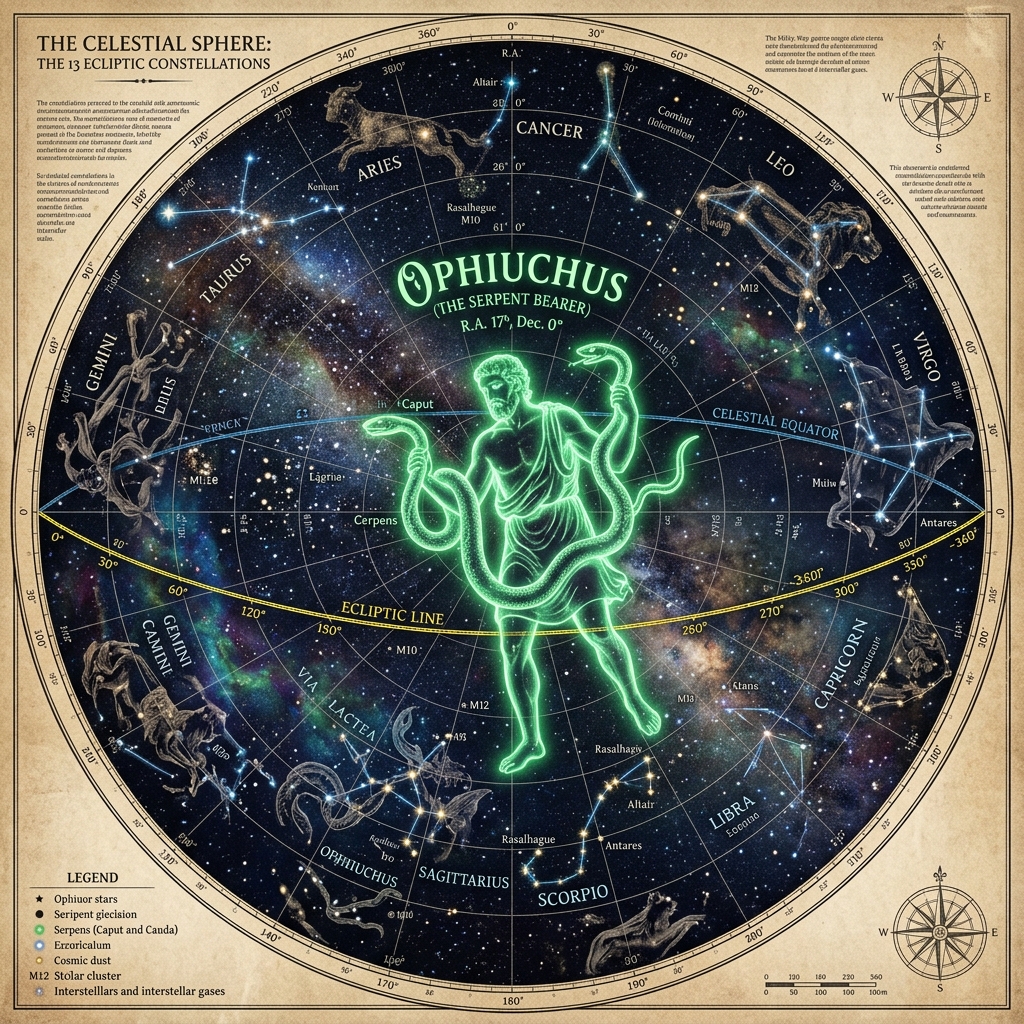
The Cosmic Rhythm: Babylon & The 13 Moons
Before the introduction of political sun calendars, the measurement of time was biological and cyclical. Paleolithic tools like the Lebombo bone (42,000 years old) and the Ishango bone (25,000 years old) demonstrate that early human civilizations tracked time exclusively in 28-day sets aligned with the lunar and biological cycles. Time was understood as an organic loop, deeply tied to the rhythms of cellular division, tidal flows, and hormonal cycles.
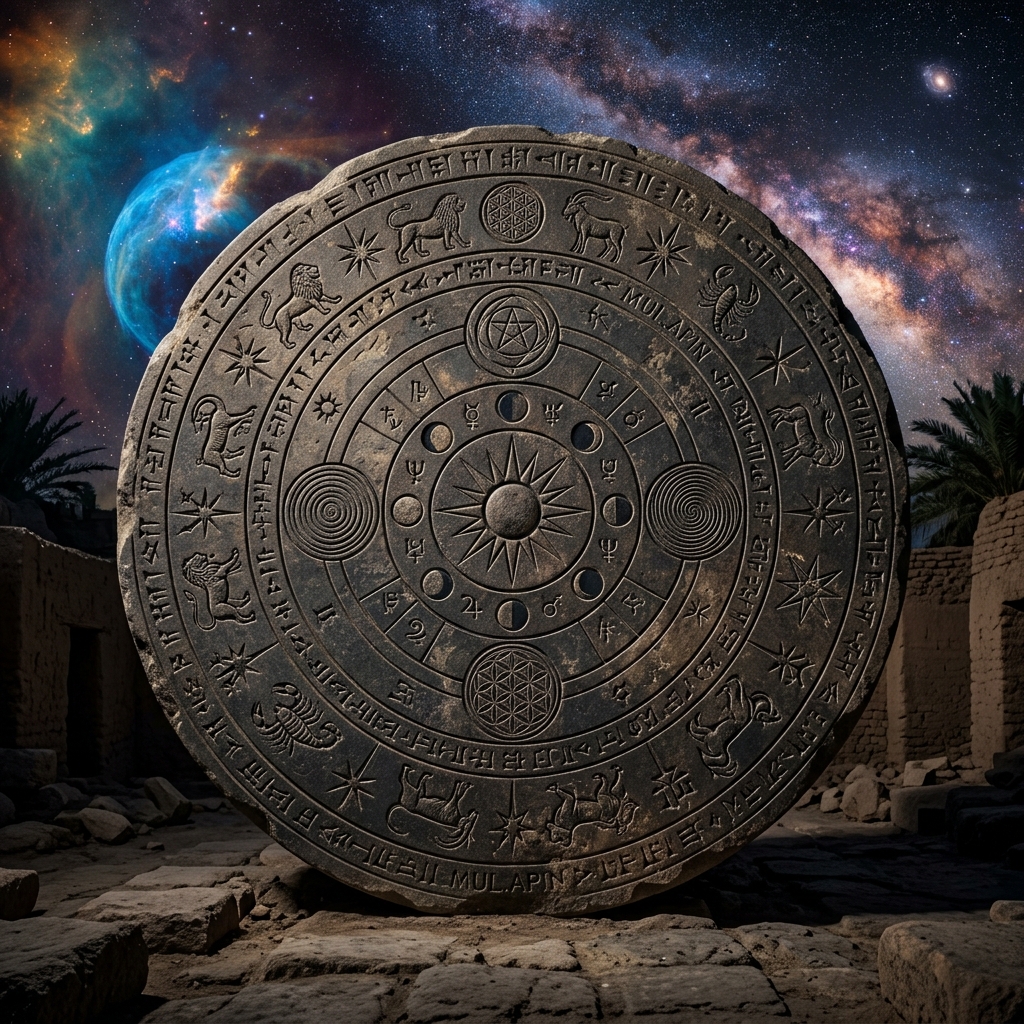
In ancient Mesopotamia, the Sumerians and Babylonians discovered that 12 lunar cycles do not synchronize with the solar year. Their solution was mathematically elegant: they kept the 28-day cycle and interjected a 13th month periodically to synchronize the seasons. They understood that time is not a straight line, but a spiral. This spiral allowed them to maintain a perennial connection with the solar year while respecting the lunar orbit's 27.3-day sidereal rhythm.